
Services.

Individual
Life is complicated and let’s be honest, it’s hard. Whether it’s an acute life stressor or trauma that leaves you in need of additional support or a general feeling of dissatisfaction with your life or relationships, I am here to help. I believe the relationship we have with ourselves sets the tone for how we engage with others and how we move through life so the greatest investment we can make is learning how to love ourselves unconditionally, deeply, and fiercely. I tell my clients all the time, I actually don’t have any of the answers, but the great news is you already do, we just have to work together to listen, be curious and uncover your truth that has always been there. As Pia Mellody says, “You are the one you’ve been waiting for,” so let’s get to work.

Couples
Relationships are fluid and therefore always changing. It’s normal for this relational movement to cause challenges in our ability to feel connected. We also bring our attachment styles and patterns from our family of origin into our partnerships, often times mistaking familiar, co-dependent patterns as intimacy and connection. My goal is to help couples learn to re-parent childhood wounds that show up in how they connect with each other to then be able to connect and build intimacy from their truest most function adult self. I have helped couples work though significant life transitions, grief and loss, addiction and chemical dependency, infidelity as well as general feelings of dissatisfaction and disconnect.

Supervision
Aa an AAMFT board approved supervisor in the state of MN, I offer individual, dyad and group supervision to those seeking licensure. I currently operate as the LMFT clinical supervisor at Pathways Counseling Center in Saint Paul, which provides culturally competent, trauma informed therapy and ARMHS to adults living with SPMI, as well as the growing refugee population in the area. I holds both group and individual supervision sessions. If you are an unlicensed therapist working towards full licensure, or a licensed therapist seeking consultation, please do not hesitate to reach out if you think we could be a good fit. I am passionate about building up other clinicians, helping them learn to tap into their own strengths, intuition, and potential as a healer.

Brainspotting
Brainspotting is a brain–body therapy developed by Dr. David Grand that uses specific eye positions to access and process trauma, stress, and deeply held emotional patterns. The underlying belief is simple: where you look can influence how you feel, and certain points in the visual field can directly connect to unresolved experiences stored in the nervous system. In a Brainspotting session, the focus is on noticing bodily sensations, identifying the “brainspot” that activates the issue, and allowing the brain and body to process at their own pace without requiring the retelling of the full story. Many people use Brainspotting for trauma, anxiety, grief, and performance issues, including athletes and performers who want to work through blocks or pressure. The approach is often quieter and more internal than traditional talk therapy and can be helpful for those who understand their story intellectually but still feel stuck emotionally or physically.
Inner Child Work
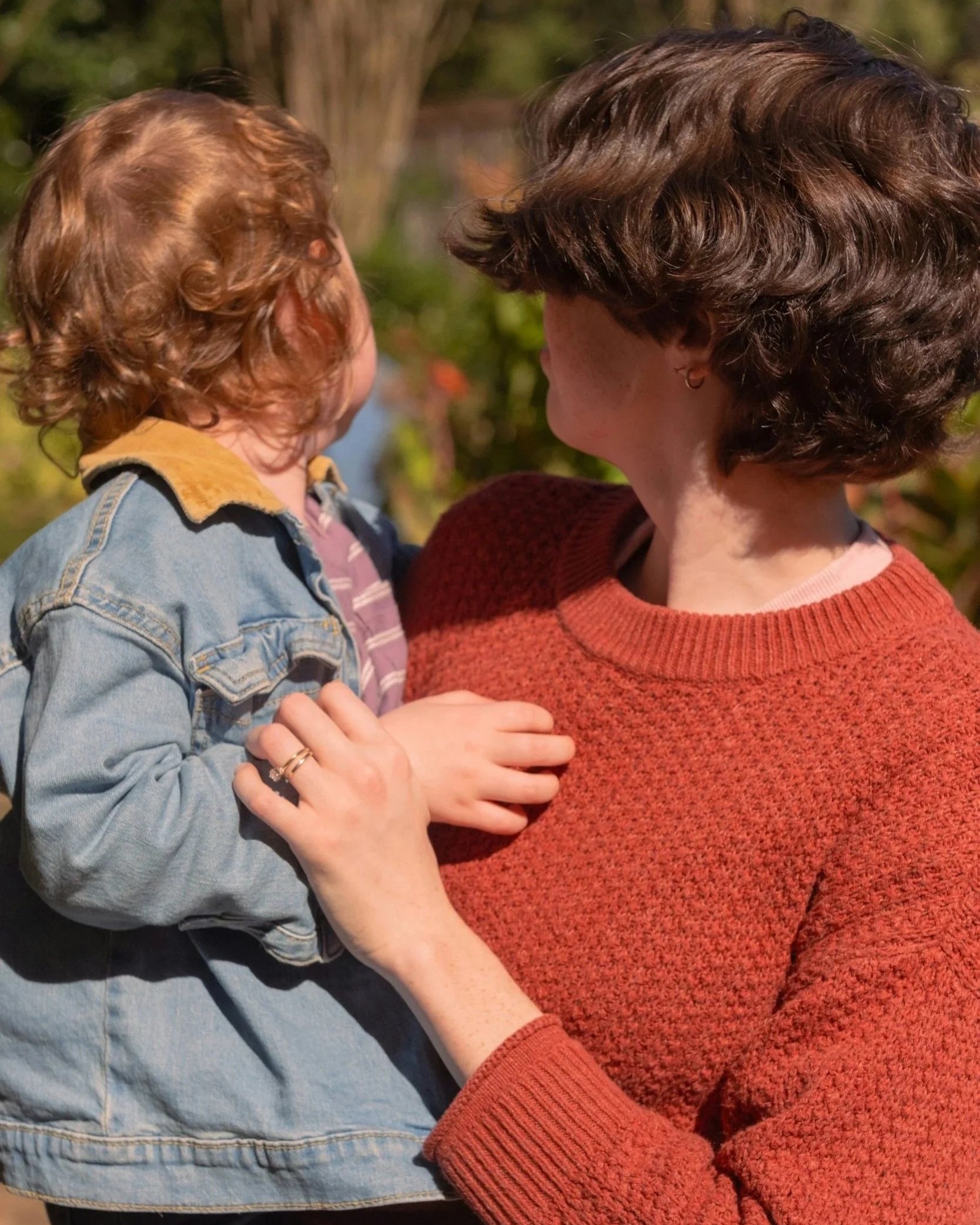
Inner child work, based on Pia Mellody’s developmental and trauma models, focuses on the younger parts of the self that carry unmet needs, emotional wounds, and learned survival patterns from childhood. These parts often show up in adulthood as people-pleasing, difficulty with boundaries, shame, codependency, or strong emotional reactions that feel bigger than the moment. The work emphasizes understanding how early environments shaped beliefs and behaviors, separating past experiences from present reality, and developing a more grounded, functional adult self. Pia Mellody’s framework also highlights “carried emotions,” where children absorb feelings that originally belonged to caregivers, and inner child work creates space to release those burdens and form healthier internal boundaries. This approach is useful for anyone wanting to break long-standing relational patterns, reduce chronic shame, or build a clearer, more compassionate sense of self.

Telehealth
Telehealth is my primary method of working with clients. Research shows it's just as effective as in-person therapy, with the added benefit of meeting you where you already are. Whether you are at home, in your office, or anywhere you have privacy and a reliable internet connection. Many people find it easier to settle into the work when they're in their own space, without the logistics of commuting or coordinating schedules around office hours. The convenience also makes it easier to maintain a consistent session schedule. However, limited in-person appointments are available this April for those who prefer face-to-face therapy.
“You are not a mess. You are a feeling person in a messy world.” -Glennon Doyle